
Solar energy is one of the smartest investments a homeowner can make. Lower energy bills, increased home value, and long-term sustainability. It’s a win across the board.
But there’s one part of solar ownership that often catches people off guard: what happens when your roof needs attention?
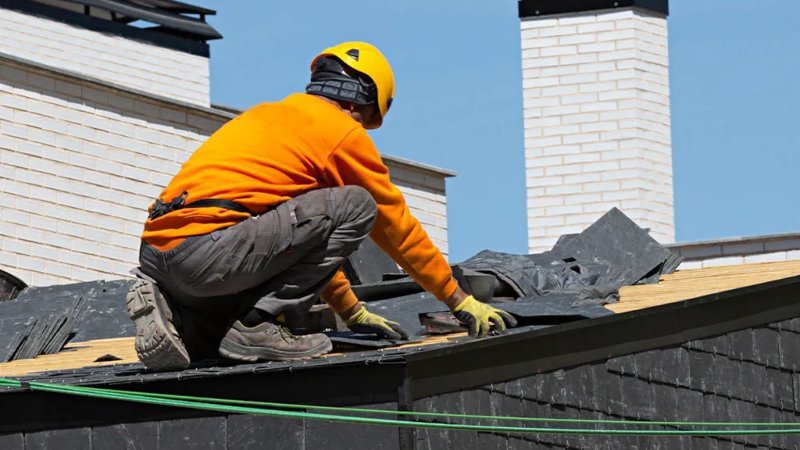
Whether it’s age, storm damage, or a full replacement, your roof will eventually need work. And when that day comes, your solar panels can’t just stay put. That’s where solar panel removal and reinstallation becomes essential. When handled properly, it’s a smooth process. When it’s not, it can turn into a costly headache.
Let’s walk through what this process really involves, what to expect, and how to protect your investment every step of the way.
Why Solar Panels Must Be Removed Before Roof Work
It might seem like solar panels could simply be worked around, but that’s not how roofing systems function.
Your solar panels are mounted directly into your roof using hardware that penetrates the roofing material. These mounts are sealed carefully to prevent leaks and ensure structural stability.
When roofing work begins:
- Shingles or roofing materials need to be fully removed
- Flashing around mounts must be addressed
- Structural inspections may be required
Trying to work around solar panels compromises both the roof and the solar system.
Bottom line: if your roof needs work, your solar panels need to come off first.
What “Removal and Reinstallation” Actually Means
A lot of homeowners assume this is a simple uninstall and reinstall, but it’s much more involved than that.
Solar panel removal and reinstallation (often called a “detach and reset”) is a structured, multi-step process that includes:
- Safely disconnecting electrical components
- Removing panels and mounting systems
- Protecting and storing equipment
- Reinstalling everything after roof work is complete
- Testing and verifying system performance
Each of these steps requires technical expertise, precision, and coordination.
The Most Common Scenario – Roof Replacement
In most cases, removal and reinstallation is tied to roof replacement.
Here’s something to note:
If your roof is between 10–15 years old and you’re installing solar, you should strongly consider replacing the roof first.
Why? Because otherwise, you’ll likely be paying for removal and reinstallation sooner than you’d like.
But if you already have solar and your roof is reaching the end of its lifespan, don’t worry. You’re not alone. This is a very common situation, and with the right team, it’s entirely manageable.
A Closer Look at the Process
Let’s break this down so you know exactly what happens behind the scenes.
Step 1: Evaluation and Planning
Before any work begins, a professional team will:
- Assess your solar system
- Evaluate roof conditions
- Plan the removal strategy
- Coordinate timelines with your roofing contractor
This step is critical. Good planning prevents delays and costly mistakes.
Step 2: System Shutdown
Safety comes first.
Your system will be powered down completely, ensuring there’s no electricity flowing through the panels or wiring during removal.
Step 3: Panel and Hardware Removal
Technicians carefully remove:
- Solar panels
- Mounting racks
- Wiring connections
Each component is labeled and handled with care to ensure proper reinstallation.
Step 4: Storage and Protection
Solar panels are durable, but they’re not indestructible.
They must be:
- Stored in a safe, dry environment
- Protected from impact or weather exposure
- Organized for efficient reinstallation
Improper storage is one of the most overlooked risks in this process.
Step 5: Roofing Work
Once the system is removed, your roofing contractor completes repairs or installs a new roof.
This stage varies in length depending on the project scope.
Step 6: Reinstallation
After the roof is ready:
- Mounting hardware is installed with proper sealing
- Panels are reattached
- Electrical systems are reconnected
Precision here is everything. Poor installation can lead to leaks or reduced performance.
Step 7: Testing and Activation
Finally, the system is tested to ensure:
- Proper energy production
- Safe electrical function
- Full system integrity
Only after testing is complete is the system turned back on.
How Long Does It Take?
Every project is different, but here’s a general idea:
- Removal: 1–2 days
- Roofing work: several days to a week
- Reinstallation: 1–2 days
Keep in mind that scheduling, permits, and inspections can extend the overall timeline.
The key is coordination. When your solar and roofing teams are aligned, everything runs more smoothly.
Understanding the Costs
Cost is always part of the conversation, and rightfully so.
Solar panel removal and reinstallation costs depend on several factors:
- Number of panels
- Roof complexity
- System size and design
- Labor and equipment needs
- Any upgrades or repairs
While prices vary, the most important thing to remember is this:
This is not the place to cut corners.
Choosing the lowest-cost option can lead to:
- Roof leaks
- System inefficiencies
- Warranty issues
- Costly repairs down the road
A properly executed job protects your solar investment for years to come.
Why Experience Matters More Than Ever
Solar systems are complex. Roofing systems are complex. Combining the two requires specialized expertise.
An experienced solar provider understands:
- Structural mounting systems
- Electrical safety requirements
- Waterproofing techniques
- Local codes and permitting
This isn’t just about removing panels. It’s about preserving the integrity of your entire system.
The Opportunity to Upgrade
Here’s something many homeowners don’t realize:
Removal and reinstallation is a perfect opportunity to improve your system.
Depending on your setup, you may want to:
- Upgrade to more efficient panels
- Add additional panels
- Improve system layout
- Integrate battery storage
Technology evolves quickly, and this may be your chance to boost performance and energy savings.
Common Pitfalls to Avoid
Over the years, I’ve seen a handful of mistakes that can turn a straightforward project into a frustrating experience.
Here’s what to watch out for:
Poor Coordination
Your solar and roofing contractors need to communicate clearly and work together.
Rushed Work
This process requires precision. Cutting corners leads to problems.
Skipping Permits
Permits and inspections are essential for compliance and safety.
Inexperienced Contractors
Not all contractors understand solar systems. Choose wisely.
Lack of Planning
Waiting until the last minute can delay your project significantly.
How to Prepare as a Homeowner
If you’re anticipating roof work, a little preparation goes a long way.
Here’s what I recommend:
- Contact a solar professional early
- Schedule removal before roofing begins
- Confirm timelines with all parties
- Ask about storage and protection
- Understand your system and warranties
Taking these steps helps ensure a smooth, stress-free experience.
What Happens If It’s Done Incorrectly?
I wish I could say mistakes are rare, but they do happen.
Improper removal or reinstallation can lead to:
- Roof leaks
- Structural damage
- Electrical issues
- Reduced energy production
- Voided warranties
And once those problems appear, they can be expensive to fix.
That’s why choosing the right team isn’t just important. It’s essential.
Protecting Your Solar Investment
Your solar system is more than just panels on a roof. It’s a long-term investment in your home and energy future.
Proper removal and reinstallation ensures:
- Continued energy savings
- System longevity
- Structural integrity
- Peace of mind
When done right, your system will perform just as well as it did before, if not better.
A Final Word
After years in the solar industry, I’ve learned that the difference between a smooth project and a stressful one often comes down to one thing:
Working with the right professionals.
Solar panel removal and reinstallation isn’t something you want to leave to chance. It requires experience, precision, and a commitment to doing the job right.
And when it’s done properly, you can move forward with confidence, knowing your home and your system are fully protected.
Need Help with Solar Panel Removal or Reinstallation?
If you’re planning roof work, dealing with storm damage, or simply unsure what your next step should be, don’t navigate it alone.
Call Positive Energy Solutions today to speak with experienced professionals who understand exactly how to handle your solar system with care.
Whether you need a full removal and reinstallation, system upgrades, or expert guidance, our team is here to help every step of the way.
Your solar investment deserves the best. Let’s make sure it stays that way.